Microcement Worktops & Joinery
Islands, vanity units and fixed joinery finished in the same surface as the floor and walls around them.
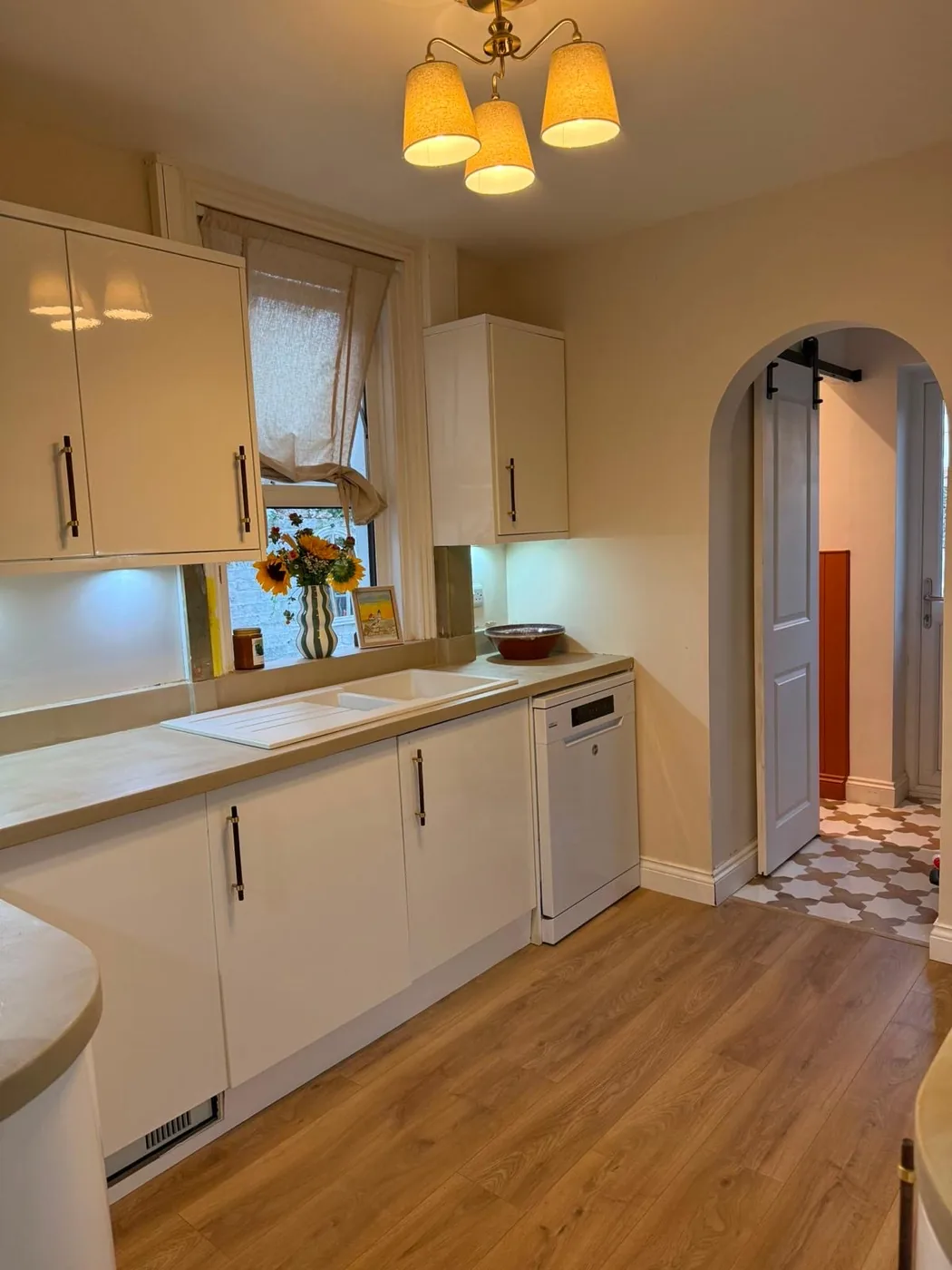
Microcement lets a kitchen island, a vanity unit or a run of fixed joinery carry exactly the same finish as the floor and walls around it. The result is a room that reads as one material rather than a collection of separate surfaces meeting at edges.
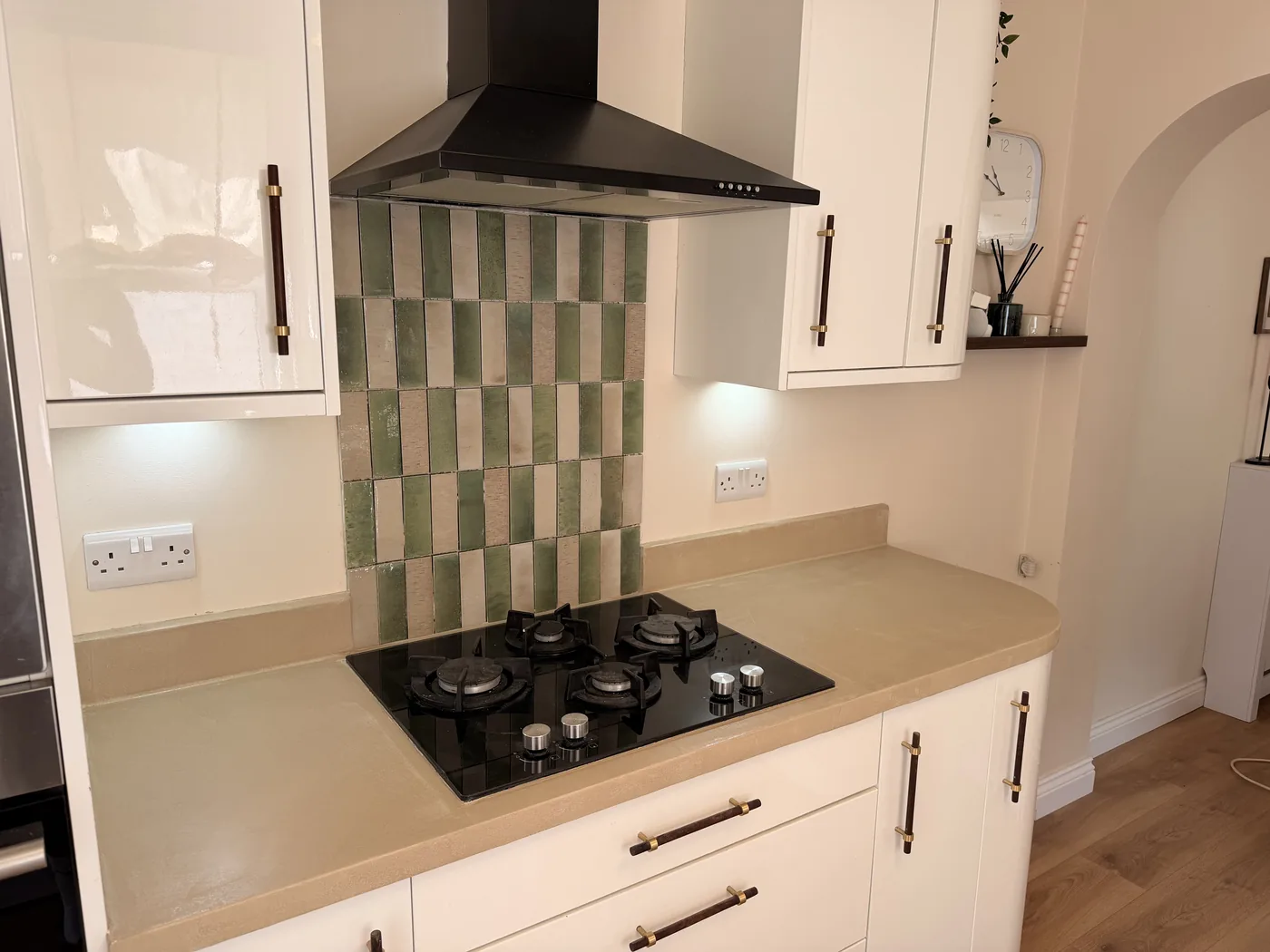
It is applied over the built carcass or substrate, so shapes that would be expensive or impossible in stone — curved returns, waterfall ends, integrated splashbacks, benches that grow out of the wall — become straightforward.
Substrate matters more here than anywhere else. Joinery moves, and the surface has to be built on something stable and correctly specified before any coating goes on. That specification is part of the quote, not an afterthought.
- Seamless transition between joinery, floor and wall
- Curves, waterfall ends and integrated splashbacks are all achievable
- Far lighter than stone, so less load on carcasses and fixings
- Priced per unit after inspecting the substrate
Worth knowing before you commit
No. Treat it like any sealed surface — use trivets and boards. The sealer is durable but it is not a heat-resistant worktop material in the way granite is.
The Top 2K sealer resists water and common household detergents. As with any surface, wipe spills of strongly coloured or acidic liquids rather than leaving them to sit.
Often yes, if the carcass is sound and rigid. I assess movement and fixings first — a flexing carcass will telegraph through any coating.
Per unit rather than per square metre, because the time is in the edges, returns and detailing rather than the surface area.
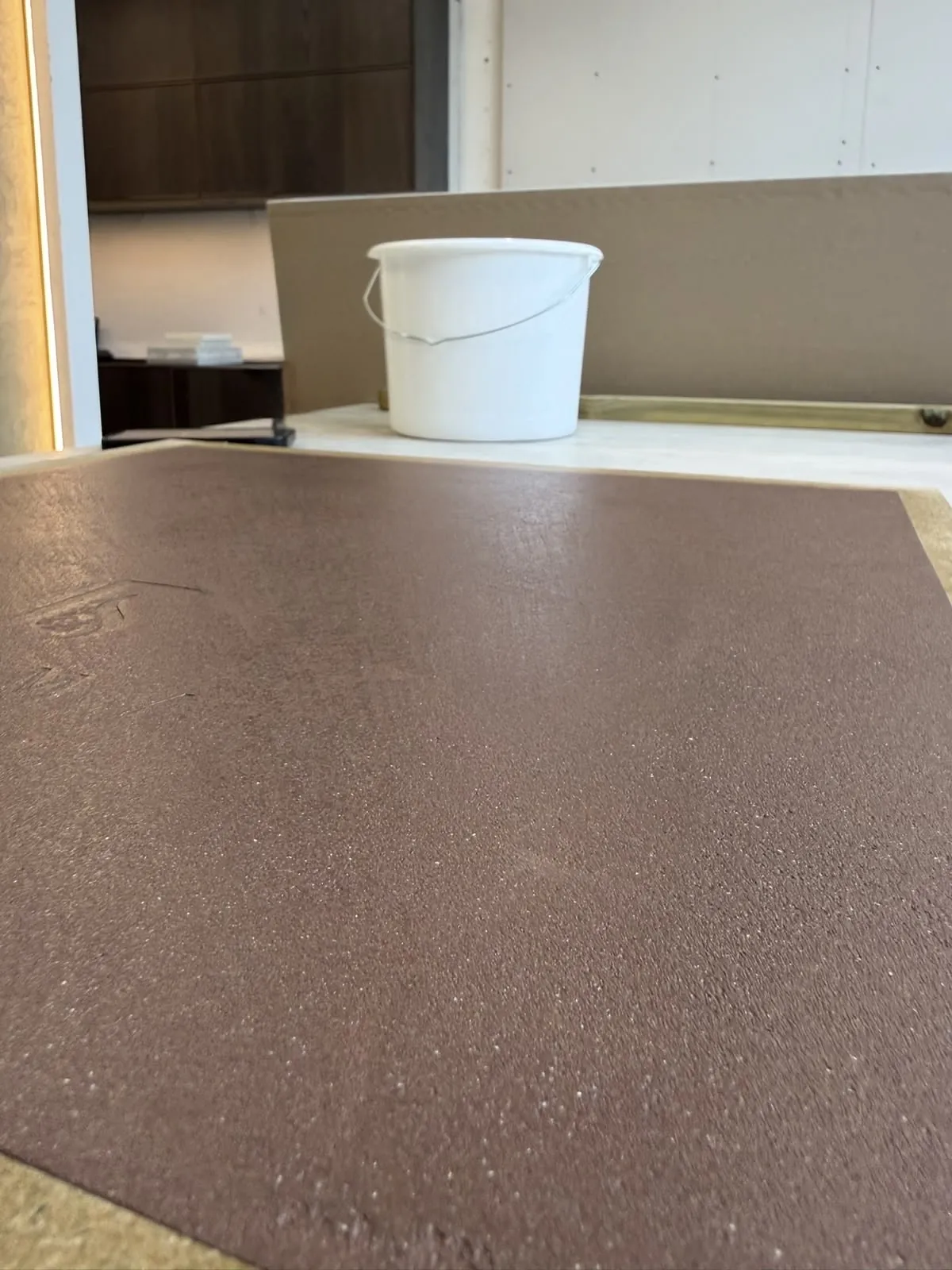
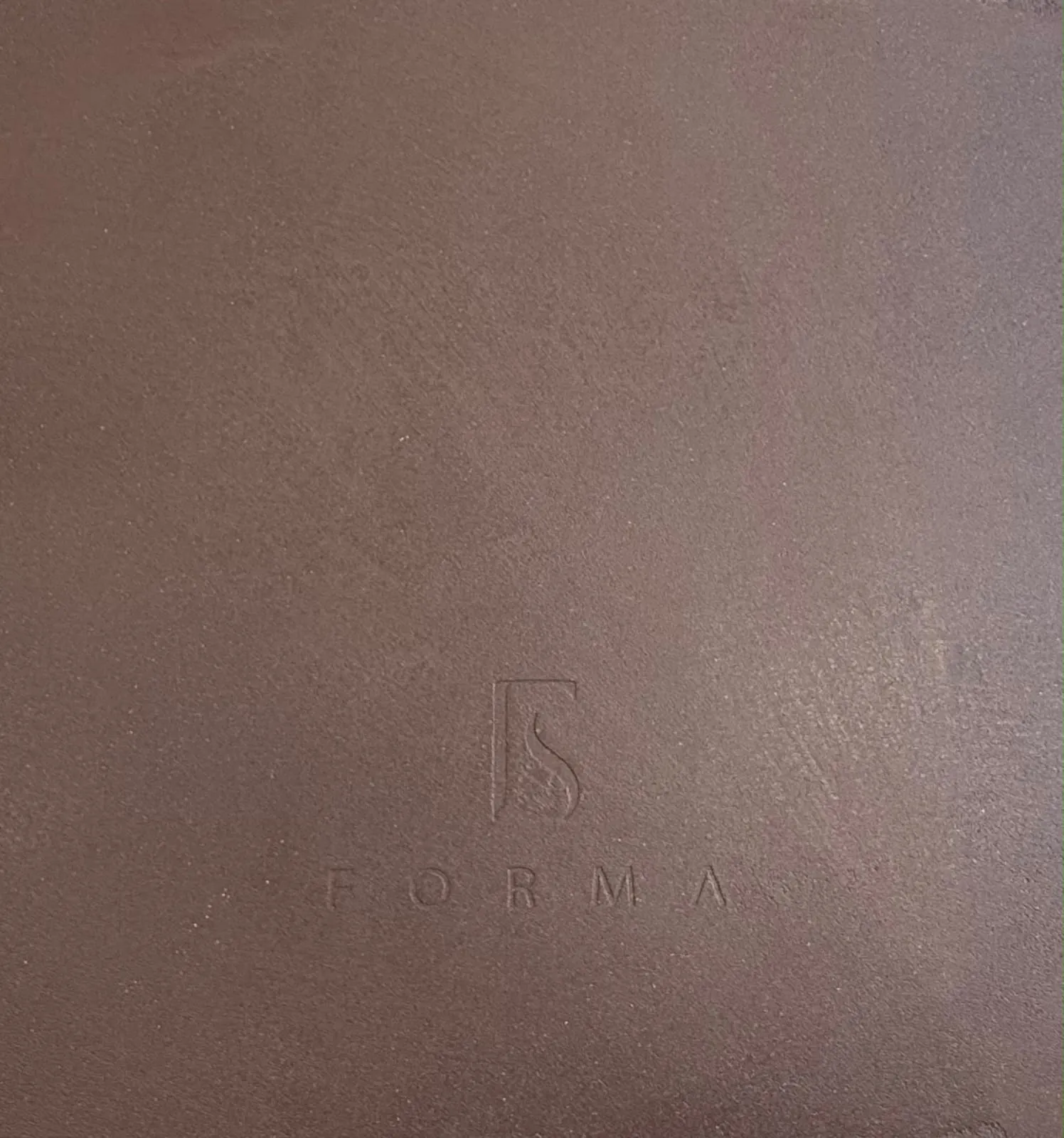
Worktops up close
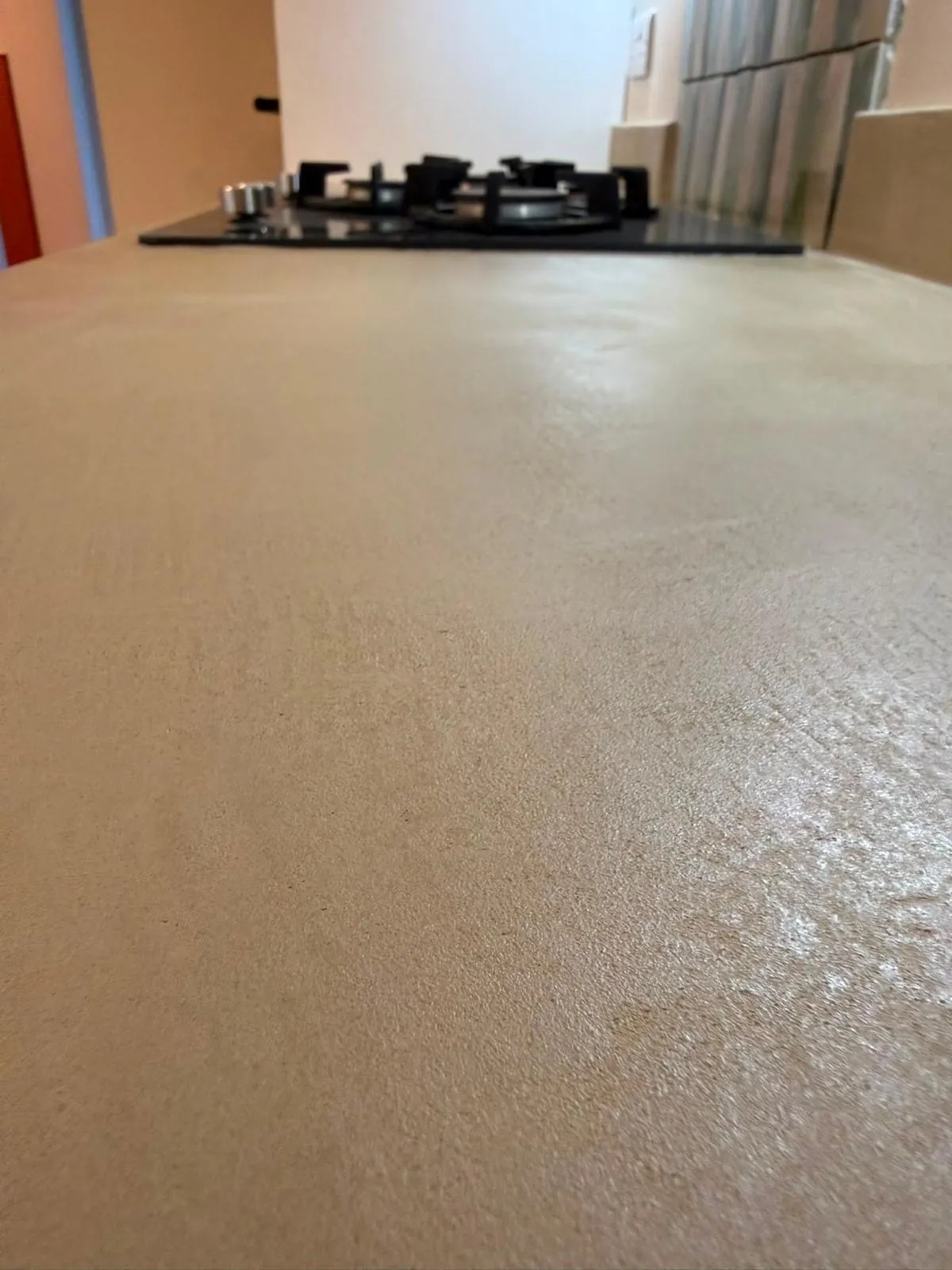
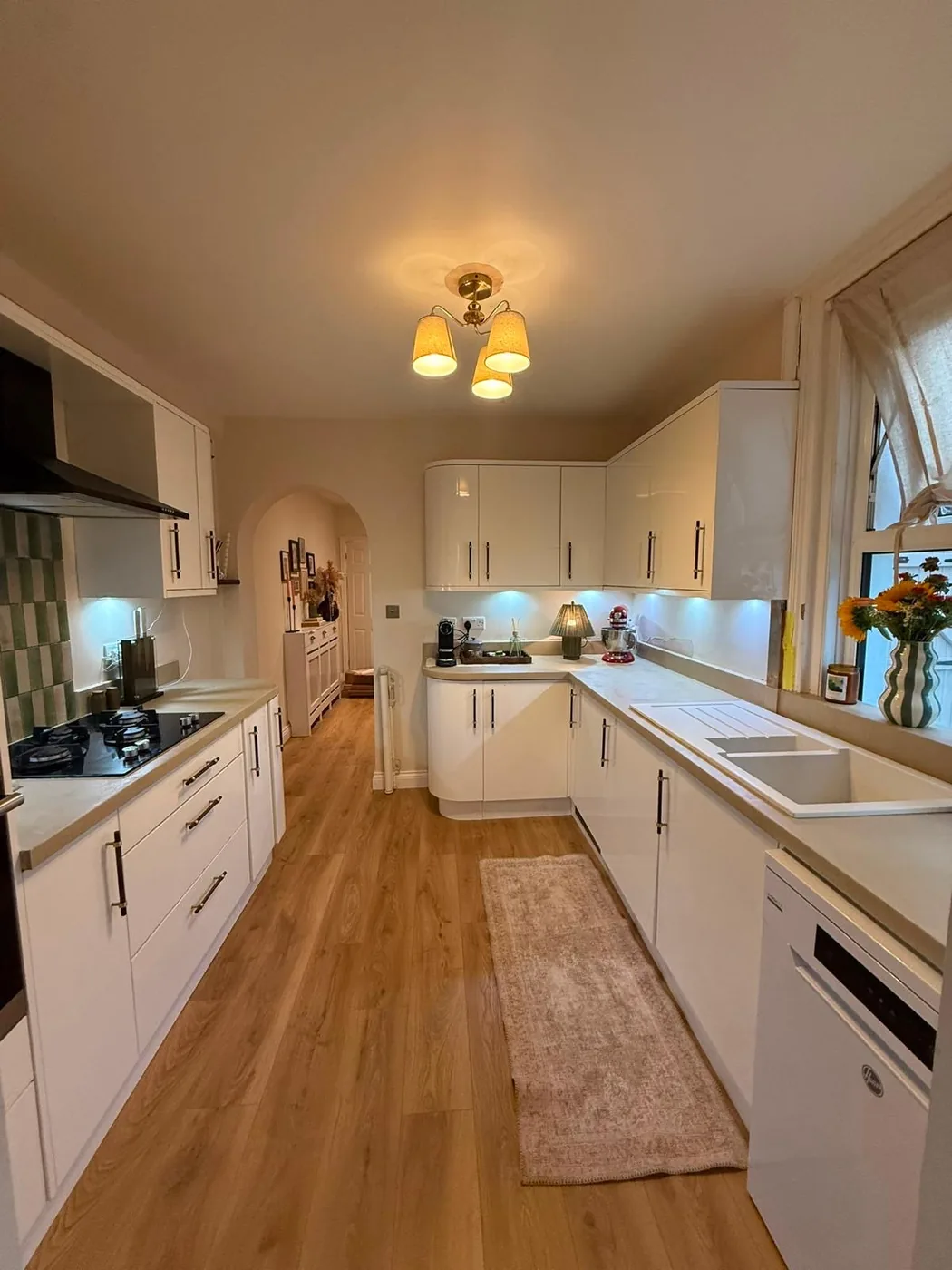
One continuous surface from hob to sink, and the colour samples that got it there.
Scroll or swipe to see more · click a photo to enlarge